
Decades of Flood Protection on the Jhelum River
The Problem: A Lifeline Choked by Silt
The Jhelum River is the primary source of irrigation and the economic “lifeline” for the Kashmir Valley. However, decades of neglect and rapid environmental degradation led to a crisis:
- Diminished Capacity: Massive siltation reduced the river’s outflow capacity from 35,000 cusecs in 1975 to just 20,000 cusecs by the early 2000s.
- Flood Risk: The “bottleneck” at the lone outflow channel in Baramulla meant that even moderate rains posed a catastrophic flood threat to the entire valley, similar to the devastating floods of 1959.
- Decades of Inaction: After an initial dredging program ended in 1986, the river’s health declined for over 25 years due to a lack of resources and modern equipment.
The Solution: Ellicott® Legacy and Innovation
To salvage the river, the Jammu and Kashmir government launched the Jhelum Conservation Project. The centerpiece of this effort was the return to a trusted partner: Ellicott Dredges.
- Historical Continuity: Ellicott provided the river’s very first dredger in 1960, commissioned by India’s first Prime Minister, Jawaharlal Nehru.
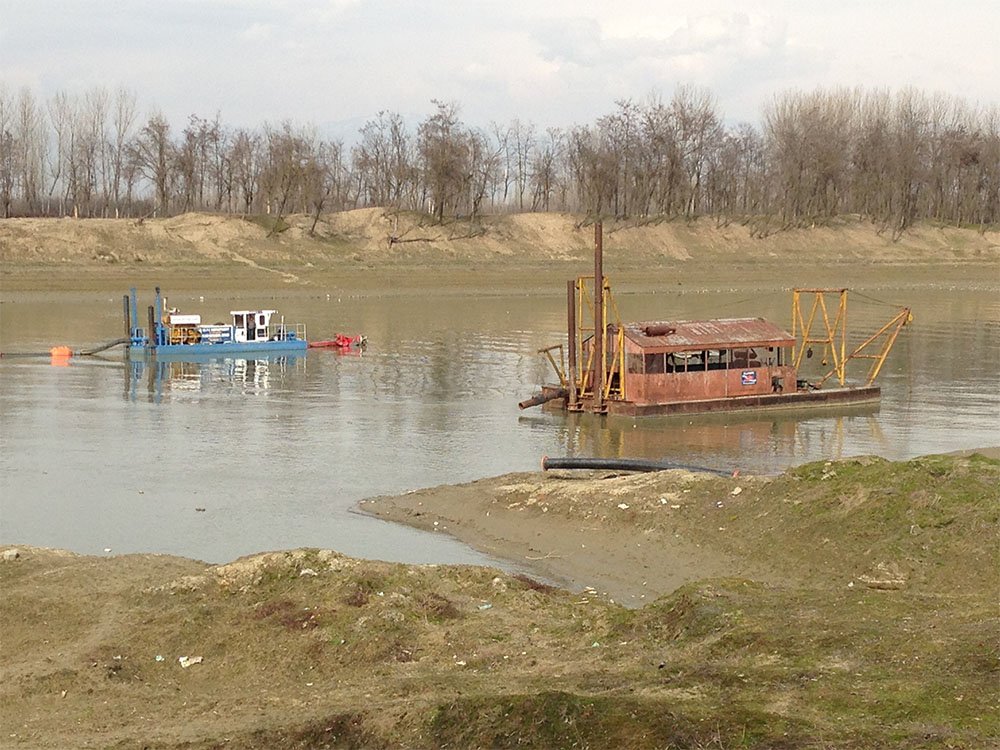
- The Modern Fleet: The government procured two new state-of-the-art Ellicott® cutter suction dredges, named Soya II and Budshah II, at a cost of approximately Rs 12 crores.
- Deep Dredging Capability: These modern US-made dredgers were specifically designed for deep dredging to clear the heavy accumulation of silt in the Janbazpora and Juhama areas of Baramulla.
- Self-Sustaining Model: The project was designed to be economically viable; the government sold the dredged silt, generating over rupees two crores in just a few months to fund ongoing conservation efforts.
The Outcome: Evading a “100-Year Flood”
The impact of the Ellicott® dredges was immediate and life-saving for the residents of the valley.
- Flood Mitigation: During recent periods of incessant rain, the government confirmed that the increased outflow capacity created by the new dredges successfully subsided the flood threat, preventing a repeat of historical disasters.
- Increased Hydraulic Efficiency: Constant dredging removed decades of blockages, restoring the river’s ability to move water efficiently through the Baramulla outflow channel.
- Legacy of Performance: After more than 50 years, the original 1960s Ellicott® dredge was found to be operating alongside the new models—a testament to the extreme durability and “built-to-last” engineering of Ellicott® machinery.
- Future-Proofing the Valley: With the data now digitalized and the dredgers in full operation, the government plans to expand the project to navigation and bank protection, ensuring the Jhelum remains a safe and productive resource for generations to come.